Blogs
10 Key Elements of an Effective Business Card Design

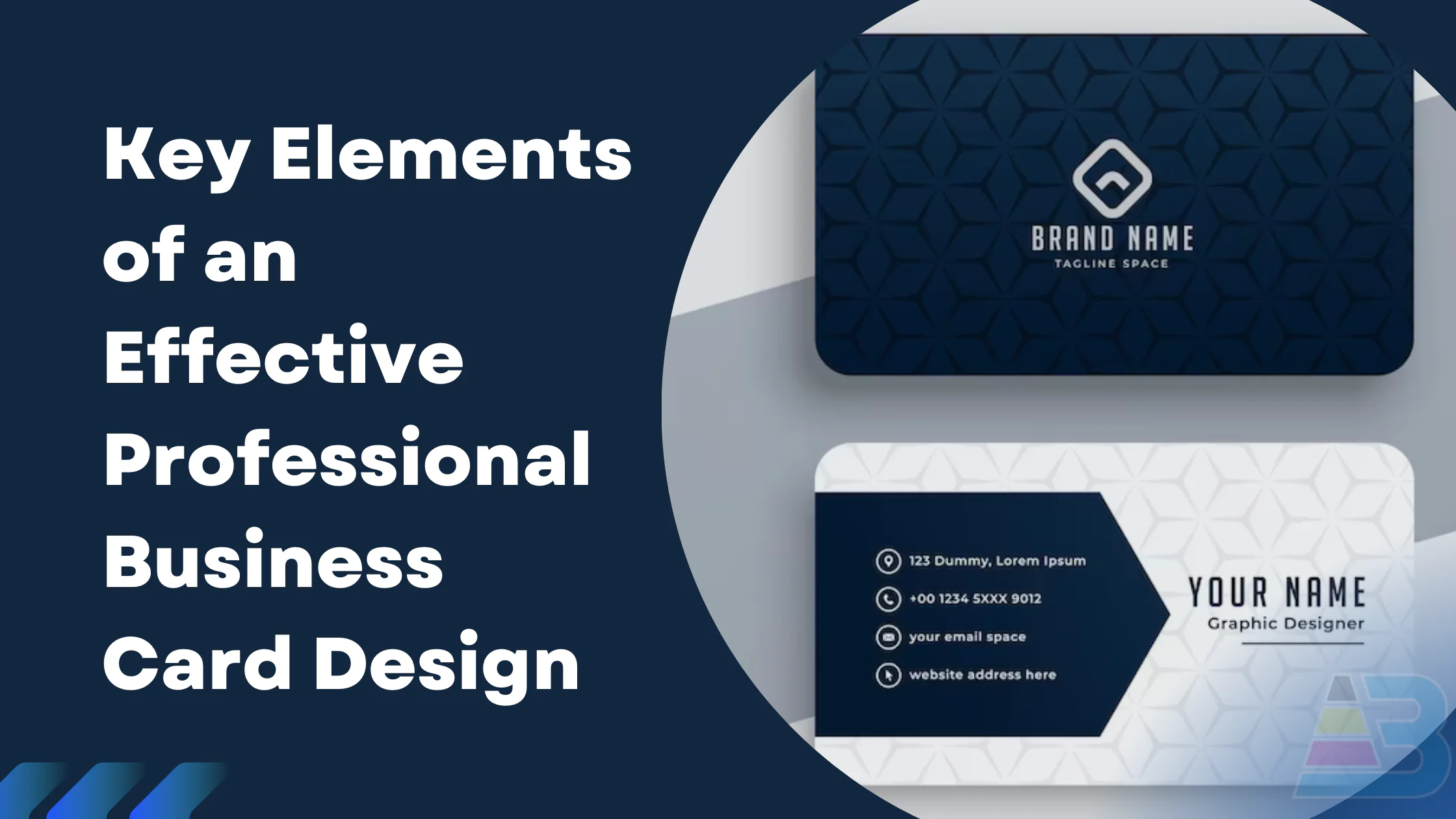
In the dynamic world of business, where digital interactions dominate, the traditional business card remains a tangible symbol of professionalism. Beyond a mere contact information carrier, a well-made and effective business card design can leave a lasting impact on potential clients, partners, and associates. To ensure your card is not just informative but also effective, consider incorporating these business card design elements into it.
Clear Branding Identity
Establishing a strong and consistent branding identity is among the bedrock components of business card design elements. Your card should reflect your brand colors, logo, and overall creativity. For instance, if your brand is known for a specific color palette, incorporate those colors into your business card design elements to strengthen brand recognition.
Example: Company XYZ, known for its sparkling blue logo, incorporates the same shade into its business card background, creating a visually catchy representation of its brand.
Contact Information
The primary function of a business card is to provide contact details. Ensure that your business card elements include essential information such as your full name, job title, company name, phone number, and email address. In today’s digital age, consider adding relevant social media handles for comprehensive connectivity.
Example: John Doe’s business card not only includes traditional contact details but also features a QR code linking directly to his LinkedIn profile, facilitating seamless digital connections.
Eye-Catching Design Elements
Visually appealing design elements can elevate your business card. Experiment with unique shapes, innovative layouts, or a pop of color to make your business card stand out without being overly flashy.
Example: Sarah’s photography business card, shaped like a camera lens, immediately captures attention and conveys the nature of her profession.
Readable Fonts
Fonts are one of the major components of a business card. The fonts you choose should strike a balance between style and readability. Opt for clean, sans-serif fonts for ease of reading. Ensure the text size is appropriate, allowing recipients to absorb information quickly.
Example: Bold, uppercase fonts may work well for a tech startup, emphasizing a modern and cutting-edge approach, while a law firm might opt for classic serif fonts for a more traditional and trustworthy feel.
Whitespace Utilization
Strategically placed whitespace enhances readability and contributes to an elegant and sophisticated look. It guides the recipient’s eyes to the most critical information. Utilizing a proper whitespace with other business card design elements enhances the reader’s experience.
Example: Minimalist design, with ample whitespace, gives a sense of sophistication to Jane’s consulting business card, allowing the logo and contact details to stand out.
Quality Printing and Materials
Investing in high-quality business card printing services and materials conveys professionalism. The tangible experience of a well-printed, sturdy card enhances the perceived value of your brand.
Example: Michael’s luxury watch brand opts for a matte finish and embossed logo on the business card, mirroring the premium quality of the products.
Unique Features
Consider implementing unique features that set your business card design apart, such as embossed textures, foil stamping, or die-cut designs. These features make your card memorable and communicate a commitment to quality.
Example: Grace, a graphic designer, incorporates a subtle holographic effect on her business card, showcasing her creativity and design expertise.
Functional Creativity
While creativity is crucial for an effective professional business card design, ensure that it serves a purpose. Innovative design should not compromise the functionality of the card. A balance of creativity and practicality ensures that your card serves its primary purpose effectively.
Example: Mark, a tech consultant, integrates a USB drive into his business card, providing clients with a convenient way to access his portfolio and relevant information.
Call to Action (CTA)
An effective business card encourages recipients to take action by including a subtle call to action. This useful business card element could be an invitation to visit your website, connect on social media, or avail of a special offer.
Example: Emma’s business card features a QR code with a caption inviting clients to “Scan for Exclusive Offers,” prompting them to explore her online store with discounts.
Print Quantity and Distribution Strategy
Consider your networking habits and distribution strategy when determining the business card printing quantity. A well-thought-out distribution plan ensures that your business cards reach the right hands.
Example: David, a real estate agent, prints a higher quantity of business cards during peak property-selling seasons and strategically places them at local cafes, ensuring they reach potential homebuyers.
Why an Effective Business Card Design is Important?
The importance of a well-designed business card goes beyond the exchange of contact information. It is a tangible representation of your brand and a powerful marketing tool. Here is why it is crucial:
First Impression Matters
Your business card is often the first physical representation of your brand that a potential client or partner encounters. A well-structured business card design elements creates a positive and memorable first impression.
Professionalism and Credibility
A professional business card design reflects your commitment to quality and attention to detail. It infuses confidence in your professionalism and enhances your credibility.
Brand Consistency
Consistent branding across all touchpoints is vital for brand recognition. A well-designed business card ensures that your brand identity remains cohesive and recognizable.
Effective Networking Tool
Beyond providing contact details, a creatively designed business card sparks conversations. It becomes a conversation starter and helps you stand out in a sea of generic business cards.
Memorability
Unique design elements, such as a distinctive logo or creative layout, make your business card more memorable. A memorable business card increases the likelihood of being kept and referred to in the future.
In conclusion, investing time and effort into crafting a professional business card is an investment in your brand’s success. By understanding the importance and incorporating the effective components of business card design elements, you can set the stage for meaningful connections and lasting impressions.
Ready to elevate your brand through impactful business cards? Explore our professional business card printing services and make your first impression count.